How Caregivers Can Save Money on Groceries Without Sacrificing Nutrition
Grocery bills add up fast, especially when you're stretched thin. Here's how caregivers can cut costs without sacrificing nutrition, no extreme couponing required

Grocery bills have a way of sneaking up on you, especially when you're feeding more than just yourself and trying to keep everyone fed well, not just fed. If you're a caregiver watching your budget tighter than ever, you don't need another article telling you to "just meal plan more." You need practical ways to actually cut costs without serving frozen dinners every night.
Here's what's actually worked, without cutting corners on nutrition.
Plan around what you already have, not a fresh list every week
Before you build a grocery list, do a quick pass through your fridge, freezer, and pantry. If you've been batch cooking or freezing portions, there's a good chance you already have a base for two or three meals sitting there. Building your week around what's already on hand is one of the fastest ways to cut your grocery bill without cutting nutrition.
Buy in bulk, but only for things you'll actually use
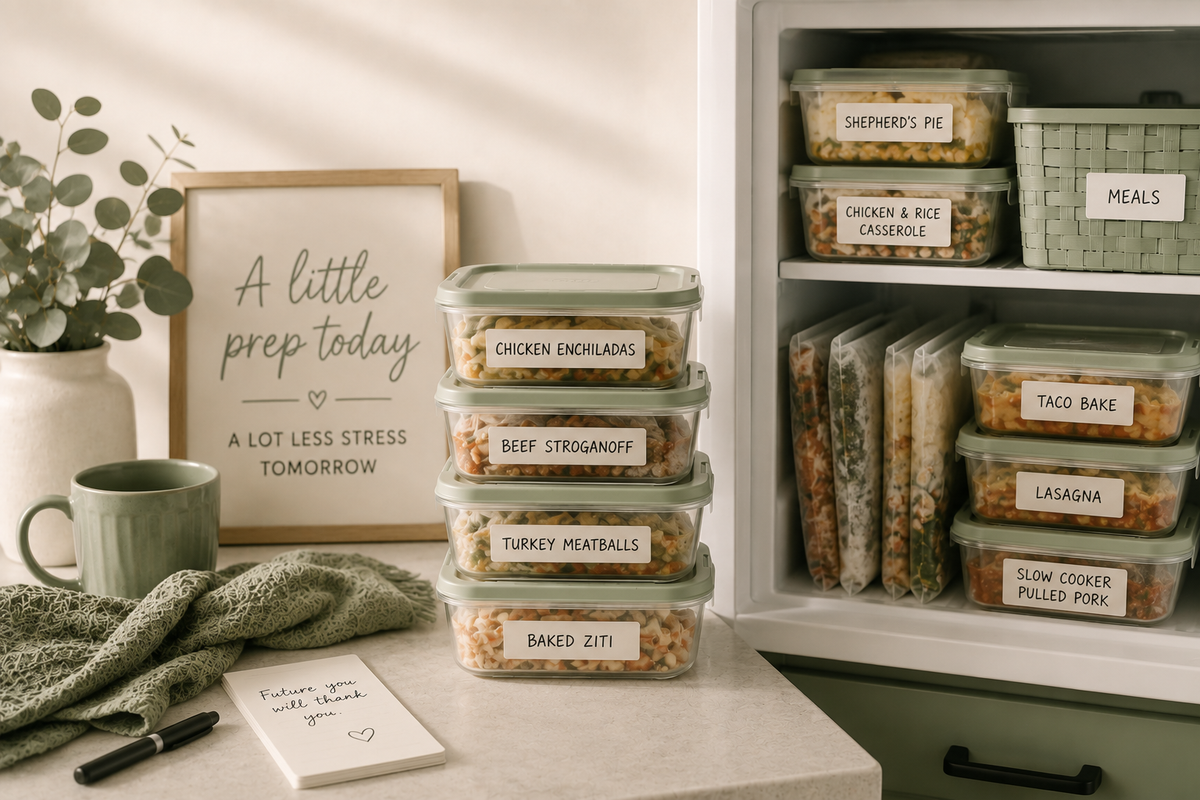
Bulk buying only saves money if the food gets eaten instead of tossed. Proteins, rice, oats, and frozen vegetables are safe bulk buys because they freeze and store well. If you're portioning things out as you go, freezer meal prep makes bulk buying actually pay off instead of creating waste.
Lean on frozen produce more than you think you should
Frozen vegetables and fruit are often just as nutritious as fresh, sometimes more so since they're frozen at peak ripeness, and they cost a fraction of the price. This is one of the easiest nutrition-for-dollar swaps you can make without anyone at the table noticing a difference.
Cook proteins in bulk, then change up the flavor, not the ingredient
A big batch of shredded chicken or ground turkey can become tacos one night, a stir fry the next, and a soup base after that. You're not eating the "same meal" three times, you're stretching one grocery trip across three very different dinners.
Reduce food waste with better portioning and storage
A huge chunk of grocery budgets gets lost to food that goes bad before it's used. Good storage containers that actually seal and stack well can extend the life of leftovers and bulk-prepped food significantly, which means less money thrown away with spoiled food.
Where this connects back to easier days, not just cheaper ones
Saving money on groceries and having less time and energy are usually the same problem wearing two different hats. The meal prep habits we talked about early on in this series aren't just about saving time, they directly reduce waste and stretch your grocery budget further too.
If you've been holding off on getting better storage and prep tools because the budget's tight this year, that's actually the exact thing I want to talk about next. There's a way to get some of these tools for free before the holidays hit, without spending anything extra. More on that soon.